Search the catalog:

Need help navigating our website? Search dcls.org >

Category: Uncategorized

  • Supporting Young Readers This Summer – Fighting “Summer Slide” Together

    Families + Libraries = Lifelong Readers

    Summer is a time for fun and freedom—but it’s also a critical season for young readers. Without regular reading, children can lose hard-earned skills over break. The best way to keep kids engaged? Family support!

    At The Library, we know that when parents, caregivers, and families make reading a priority at home, children grow into confident, curious readers. We’re here to help with free tools, programs, and events across the county!

    Join the Summer Reading Club!

    Our Summer Reading Club makes reading fun and rewarding for the whole family. Sign up at any branch or online, track your reading progress, and earn prizes along the way. It’s a great way to set goals, build routines, and celebrate reading together.

    Visit the Children’s Book Festival

    The Children’s Book Festival at the George & Hettie Love Memorial Library (LOV) is a joyful event filled with stories, crafts, author visits, and more. Bring the whole family for a day that celebrates the magic of books and imagination. It’s the perfect kickoff to a season full of reading. [Link]

    Use Your Library Card to Unlock Learning

    Your DCLS library card gives your family free access to kid-friendly eBooks, audiobooks, learning tools, and online databases. Whether you’re at home, on vacation, or on the go, you can keep your child reading and learning all summer long. Check out our online resources at: dcls.org/research.

    Make Reading a Family Habit

    The most powerful way to encourage reading? Let your child see you reading. Set aside quiet reading time, read aloud together, or talk about books over dinner. When reading is a shared family activity, kids are more likely to build lasting habits.

    Make The Library Part of Your Summer Routine

    Plan weekly visits to your local DCLS branch. Browse together, ask for reading recommendations, attend the Friends’ Book Sales, and take part in free programs for kids of all ages. Every library visit is a chance to discover something new and spark your child’s imagination. This summer, let reading bring your family closer.

    Learn more, sign up for the Summer Reading Challenge, and explore The Library’s digital tools and events at dcls.org/events-programs or by visiting your nearest branch.

    Important Summer Events at DCLS

    Summer Reading Club: Runs June 1 – August 17, 2025
    Sign up anytime online or at your local branch. [Link]

    Children’s Book Festival: Saturday, July 26, 2025
    Location: George & Hettie Love Memorial Library (LOV)
    Time: 10:00 AM – 2:00 PM
    Enjoy live storytelling, crafts, book giveaways, and more family-friendly fun! [Link]

  • LGBTQ+ School Age Books

    With June being pride month we at The Library wanted to share some of the school age books we love!

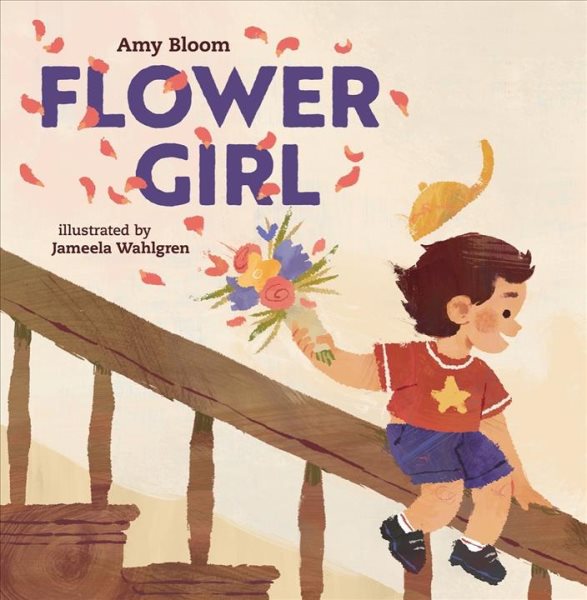
    Flower Girl – written by Amy Bloom; illustrated by Jameela Wahlgren.

    A Song for Nolan – written by Rushie Ellenwood ; illustrated by Sally Chen.

    Calvin – written by JR and Vanessa Ford; illustrated by Kayla Harren.

    Except When They Don’t – words by Laura Gehl; pictures by Joshua Heinsz.

    My Two Dads – written by Claudia Harrington; illustrated by Zoe Persico.

    My Two Moms – written by Claudia Harrington; illustrated by Zoe Persico.

    Jacob’s School Play: Starring He, She, and They – written by Ian & Sarah Hoffman; illustrated by Chris Case.

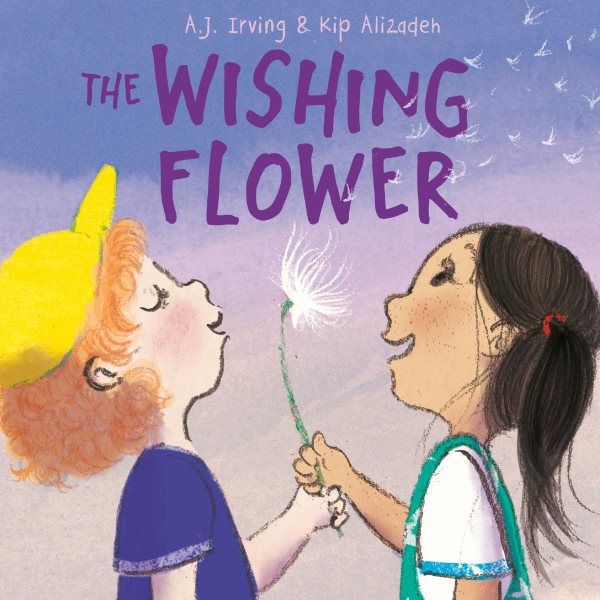
    The Wishing Flower – written by A.J. Irving; illustrated by Kip Alizadeh.

    Payden’s Pronoun Party – written by Blue Jaryn; Illustrated by Xochitl Cornejo

    Molly’s Tuxedo – words by Vicki Johnson; pictures by Gillian Reid.

    The Rainbow Parade: A Celebration of LGBTQIA+ Identities and Allies – written by Shane Jordan and Rick Hendrix; illustrated by Jieting Chen.

    My sister, Daisy – written by Adria Karlsson; illustrations by Linus Curci.

    What Are Your Words?: A Book About Pronouns – written by Katherine Locke; illustrated by Anne Passchier.

    Mama and Mommy and Me in the Middle – written by Nina LaCour; illustrated by Kaylani Juanita.

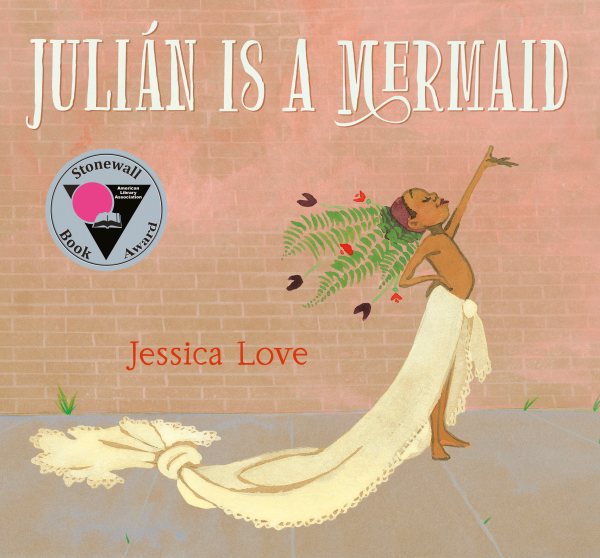
    Julián is a Mermaid – written by Jessica Love.

    Téo’s Tutu – written by Maryann Jacob Macias; illustrated by Alea Marley.

    A Costume for Charly – written by CK Malone; illustrated by Alejandra Barajas.

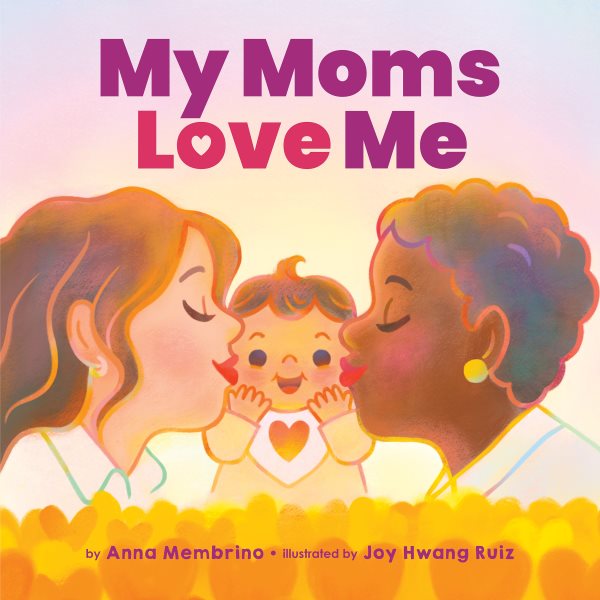
    My Moms Love Me – written by Anna Membrino; illustrated by Joy Hwang Ruiz.

    My Guncle and Me – written by Jonathan Merritt; illustrated by Joanna Carillo.

    The Spectacular Suit – written by Kat Patrick; illustrated by Hayley Wells.

    Dolls and Trucks Are for Everyone – written by Robb Pearlman; illustrated by Eda Kaban.

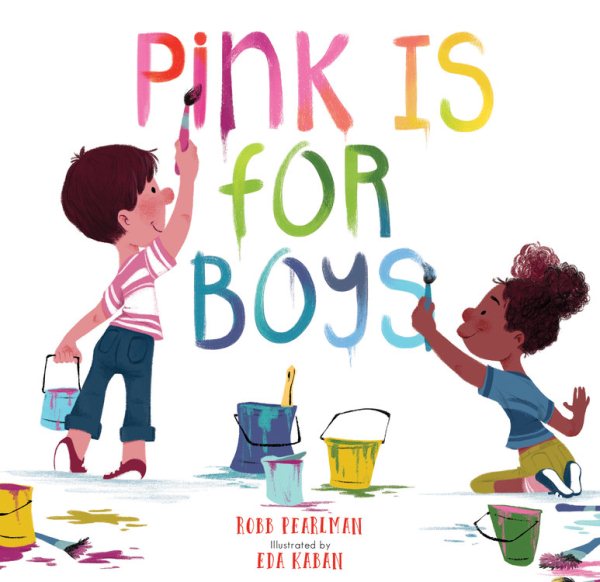
    Pink is for Boys – written by Robb Pearlman; illustrated by Eda Kaban.

    Sam is My Sister – written by Ashley Rhodes-Courter; illustrated by MacKenzie Haley.

    Marley’s Pride – written by Joëlle Retener; illustrated by DeAnn Wiley.

    Rainbow Boy – written by Taylor Rouanzion; illustrated by Stacey Chomiak.

    My Friends and Me – written by Stephanie Stansbie; illustrated by Katy Halford.

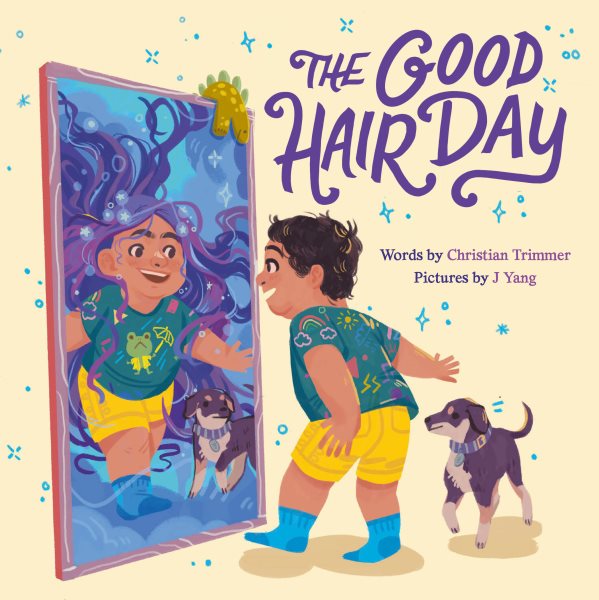
    The Good Hair Day – written by Christian Trimmer; illustrated by J Yang.

    Ari Arranges Everything – written and illustrated by Katie Vernon.

    Mighty Red Riding Hood: A Fairly Queer Tale – written by Wallace West.

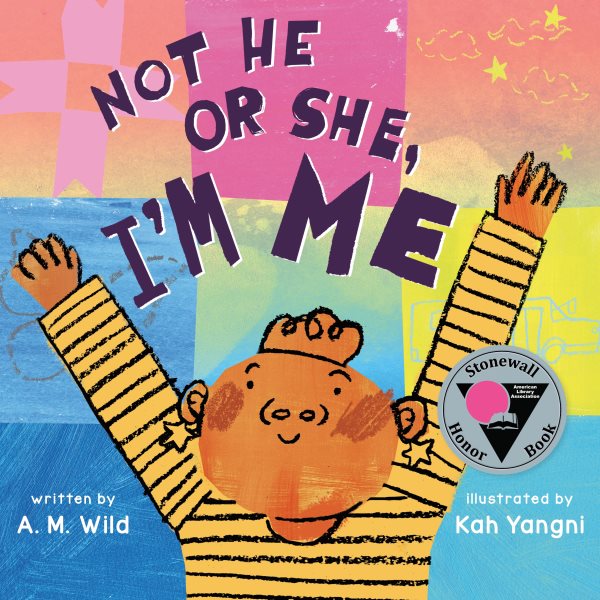
    Not He or She, I’m Me – written by A.M. Wild; illustrated by Kah Yangni.

    Love, Violet – by Charlotte Sullivan Wild; illustrated by Charlene Chua. 

    Phoenix Gets Greater – written by Marty Wilson-Trudeau with Phoenix Wilson; illustrated by Megan Kyak-Monteith.

    Bobby and the Big Valentine – words by Timmy Woitas; illustrations by Addy Rivera Sonda.

  • Asian Pacific American Heritage Month: Childhood Stories

    By: Lexi Plumley

    As a Filipino American, there weren’t a lot of Filipino children’s books. There were books that had our folk tales and certain ghost stories, but they weren’t for children. Aunties and uncles would tell you these stories, grandparents would tell you these stories verbally, but there weren’t really any, physical picture books when I was growing up in the 90s. I do remember there were two instances where I ended up reading the same book during different times in my life.

    I don’t think there was a single physical book that I ever got to read throughout my entire childhood that had to do with anything of Asian descent. Everything was white or black. I read a lot of black children’s stories growing up, but I didn’t get to read anything whatsoever from my Filipino heritage. [Storytelling] was done through family members or other Filipino people who also had the same type of stories, just told differently. Again, they’re all folk tales from our culture.

    I was in fifth grade and heard somebody read this book called, Sadako and the Thousand Paper Cranes by Eleanor Coerr. It’s a Japanese children’s book about the events that happened in Hiroshima, where a bunch of kids who had radiation poisoning were in hospitals. There are a lot of terrible things [in the story], but it was painted very beautifully. The book is about a girl who got very, very sick. In Japanese culture, if you make a thousand paper cranes, you get to make a wish. I remember reading that when I was in fifth grade, and I thought the story was wonderful. It was the first time I’d seen an Asian person in a book. I was like, “This is wild!”

    In seventh grade, in junior high, I took a creative writing class, and they read the exact same book. As we were reading the book and learning the history about those events, we were supposed to make a thousand cranes to then send to Japan. This was to put the cranes at her monument because she was a real person who went through these things. She was trying to make the thousand cranes, but didn’t end up finishing them before she passed on. I think her classmates and things decided to make that monument, and there’s a giant statue of her holding a paper crane in that city.

    Every year for the anniversary of either her death or the events that happened, people bring a bunch of paper cranes to the monument and place them there. That’s what we did as a group of eight 12-year-olds. We made a thousand paper cranes. Our creative writing teacher, Mr. Jacobs, sent them to Japan.

    They [the people of Hiroshima] sent us back a letter and a picture of our cranes sitting at this at the base of the monument. Sadako became my favorite book. It is something that I always suggested to people. When I was a preschool teacher, I read it to my kids even though they were way too young to really understand the gravitas of the book. The fact is that there wasn’t any Asian representation in my class, so as a teacher, so I wanted to present that to the kids. I showed them how to make paper cranes.

    I’ve talked to a lot of other Filipino friends of mine that are all in the same age range. We all read that same book. Sadako is the first Asian book that we ever read growing up, and we’re all in our mid-thirties now.

    I didn’t start really seeing books about Filipino children or Filipino culture until I was in college. I think the first one was the most famous Filipino American children book, Cora Cooks Pancit, by Dorina Lazo Gilmore. I was 18 or 19 at the time.

    I have to look and see where Asian stories are in our library system, because we should have more of those. I’ve seen ones explaining Lunar New Year, but there should be more books, more children’s books, especially for Filipino Americans. I feel like we have a lot more Chinese, Japanese, and Thailand books, and ones from India too. We’re lacking in the Filipino department, and it makes me sad.

    By: Maria Lagasca

    I’m going to tell you the first book where I felt seen as not only an Asian girl, but an Asian girl who didn’t speak English very well. English is not my first language. It’s always been a struggle for me. The first book I ever read, and still read once a year, is called In the Year of the Boar and Jackie Robinson by Bette Bao Lord. It’s a little chapter book. On the cover, at the top, is a picture of Jackie Robinson, and at the bottom is a little Asian girl listening to a baseball game on the radio.

    It’s a really good book. It’s set after World War 2, and he girl, named  Shirley Temple Wong,  is in middle school. She immigrates to Brooklyn, New York from China, and she does not speak English very well. On top of that, she doesn’t have a support system besides the people in her classroom.

    Shirley doesn’t have formal instruction in English. She learns from the people around her. She struggles to fit in and deal with some of the stereotypes and some of the economic stress that most immigrants face. And yeah, she’s sassy! That’s what I loved about her. She’s bullied, but one thing she knew was to stick up for herself. She didn’t need English for that.  

    She ends up befriending and forgiving the bully. I don’t know. In the Asian culture, you don’t bow down. I was raised to be proud of who I was and to never be fearful, even though I was [afraid], so the idea of forgiving a bully was very new to me. Shirley ends up being friends with the bully, and they end up playing baseball.

    Another thing I liked about her was that she was a tomboy. She ended up playing baseball, which is what I did. I had two brothers. I got their hand-me-downs. I did whatever my brothers did, and I ended up gravitating towards sports. She made me feel very seen, and the mini stories of her parents not being able to navigate the grocery store and her having to go with her mom to translate. She doesn’t know English very well, but she’s the hope for her family. It’s like a burden for her. It’s something I think you don’t understand until you’re a grown up. When you get to high school, you start wondering, “How long am I gonna do this? How long am I gonna be my parents’ translator? How long am I gonna be taking care of them? When am I able to live my life outside of this home?” I don’t mean that in a bad way. It’s just that your family becomes dependent on you, and it turns into this forever expectation. It becomes this idea of no “self,” which is relevant in Asian culture. You’re raised to give up the “self.”

    Go be a doctor, be a lawyer, be a nurse, and then you have to come back and give it all to your family.  It’s complex. Shirley navigated all that, and I don’t think I or anybody around me could have explained it better. I still struggle to explain it without that book.

    In the midst of everything, Shirley looks up to Jackie Robinson, knowing his struggles. She starts realizing she’s come to The US with the dream that this is a better life, that it’s all going to be fairy tales and it’s perfect. Then she comes to realize that while she’s navigating her identity, these other people who are skilled, like the best baseball player at that time, were judged by the color of their skin.

    Shirley realizes that it’s not just immigrants going through the struggles of acceptance.  I grew up in a predominantly African American neighborhood, and the people that accepted me the most were the were the Pakistani kids and the black kids, not even my own Asian people. I think it’s because I’m darker and my family’s darker.

    I think that my family was considered poor, so they deemed us lower class. All the other families were like, “Don’t hang out with anybody lower class than you.” Lower class means having less money, being darker, or your parents have blue collar jobs. I was accepted most by the Southeast Asians, the ones who were dark skinned, and my African American community all throughout high school.

    It helped me realize how my struggle is sometimes minimal compared to others. I know I’m not the only one. Growing up, you look up to people that are just fantastic. I remember Michelle Kwan, probably the first Asian icon of the US. Everybody gravitated towards Michelle Kwan. And I gravitated toward her because I grew up figure skating. My mom wanted me to be either a nurse, a lawyer, or Michelle Kwan.